How to Prevent Unauthorized Parties at Your Vacation Rental

Preventing unauthorized parties at a vacation rental starts before check-in, while the booking is still a request. Screen for the risk pattern, put a no party rule in writing, cap occupancy at a number you can enforce, and back it all up with a disclosed noise monitor.
Booking patterns that signal risk
A last minute local booking for a single night is the classic warning sign. Someone whose profile shows a hometown twenty minutes away, arriving Friday and leaving Saturday, is rarely planning a vacation. The signals worth watching:
- A local account booking your largest property for one night
- Friday or Saturday arrival with a next day checkout
- A new account with no reviews, booking near a holiday
- Two guests on a reservation for a place that sleeps ten
- An inquiry mentioning an event, a celebration, or extra visitors
None of these alone means trouble. Together, on a property that sleeps a crowd, they add up to a pattern worth a direct question. Ask about the plan for the weekend before you approve the reservation. Guests planning a legitimate trip answer without a second thought.
The platforms screen for the same pattern. Airbnb's published policy, as of this writing, bans parties outright. Its booking systems also restrict some last minute one night reservations of entire homes. The restrictions land hardest on nearby accounts with little history around holidays like Halloween and New Year's Eve. That screen catches some attempts. It does not replace your own read on a booking, since a two night reservation or a borrowed account slides past it.
Setting a clear no party policy
State the policy in plain words in your listing description and your house rules. "No parties or events" is clearer than a vague line about respecting neighbors. Define what counts as an event, since guests will sometimes argue a gathering of ten friends was just dinner.
Add a line about visitors. Overnight guests must be on the reservation, and daytime visitors are limited to a number you set. That closes the loophole where a small booking becomes a staging point for a much larger group that never checks in.
Name the consequence too. Guests who understand that a party means immediate cancellation without a refund, subject to your platform's policy, think twice before testing the rule. How to write house rules guests actually follow covers wording that gets read before booking instead of argued about after.
Occupancy and guest count limits
Set your maximum occupancy based on beds and square footage, then enforce it on every booking, even the ones that look low risk. Some platforms let you require ID verification or a security deposit for larger bookings. Use those tools on reservations that fit the risk pattern above.
A deposit does not stop a party by itself. It changes the math for a guest weighing whether the property is worth the risk. A short pre-arrival message asking who is staying, framed as a way to prepare towels and welcome items, gets you a headcount without sounding like an accusation.
Monitoring devices that prevent unauthorized parties
A privacy safe noise monitor is the standard answer to the party your screening missed. Devices in the NoiseAware and Minut class measure decibel levels without recording audio or conversations. When sustained noise crosses a threshold you set, you get a phone alert within minutes. That turns a party from a next morning discovery into a 10pm message while it can still be shut down.
Hardware in this class commonly runs $100 to $200 per unit, with a monthly or annual subscription on top. Place one in the main living area and one on any deck or patio where a crowd would gather. Set the alert threshold tighter during your posted quiet hours.
Disclosure is required, and it works in your favor. Airbnb's published rules, as of this writing, prohibit indoor cameras entirely and allow noise decibel monitors in common spaces when the listing discloses them. A disclosed monitor deters on its own, since a guest planning a party reads the listing too.
Neighbor communication as a safeguard
Give trusted neighbors a way to reach you directly if something looks off. A short note with your number, given once to someone you know lives next door, is worth more than any camera. Neighbors hear car doors and bass at 11pm long before an app alerts you.
A neighbor who can text you directly, instead of calling the police first, gives you a chance to shut down a gathering before it becomes an incident. Keep that relationship in good repair between bookings. A card with your number left once a year keeps the line warm.
What to do if a party starts
A party rarely arrives with no warning. It usually grows out of a headcount that crept past the booking, covered in what to do when guests bring extra people. Or it starts with a complaint that came in an hour earlier, covered in how to handle a noise complaint at your rental.
Act fast once you have real confirmation rather than a secondhand rumor. Message the guest immediately, and call if there is no response within a short window. State that the gathering violates the no party policy and must end now. If the guest does not comply, contact your platform's emergency or trust and safety line, since most have a process for exactly this situation.
Document everything as you go. Note timestamps, save message screenshots, and keep any photos a neighbor or a doorbell camera captures. That one folder of evidence supports a damage claim, backs a cancellation, and settles a review dispute afterward.

How to Choose a Digital Guestbook Tool for Your Rental
Pick a digital guestbook tool by edit speed and app free guest access. Touch Stay and Hostfully commonly run $5 to $15 a month; free options exist.

What Signage to Put Up in a Vacation Rental Home
Vacation rental signage worth posting covers wifi, appliance labels, safety basics, checkout steps, and anything your permit requires displayed.
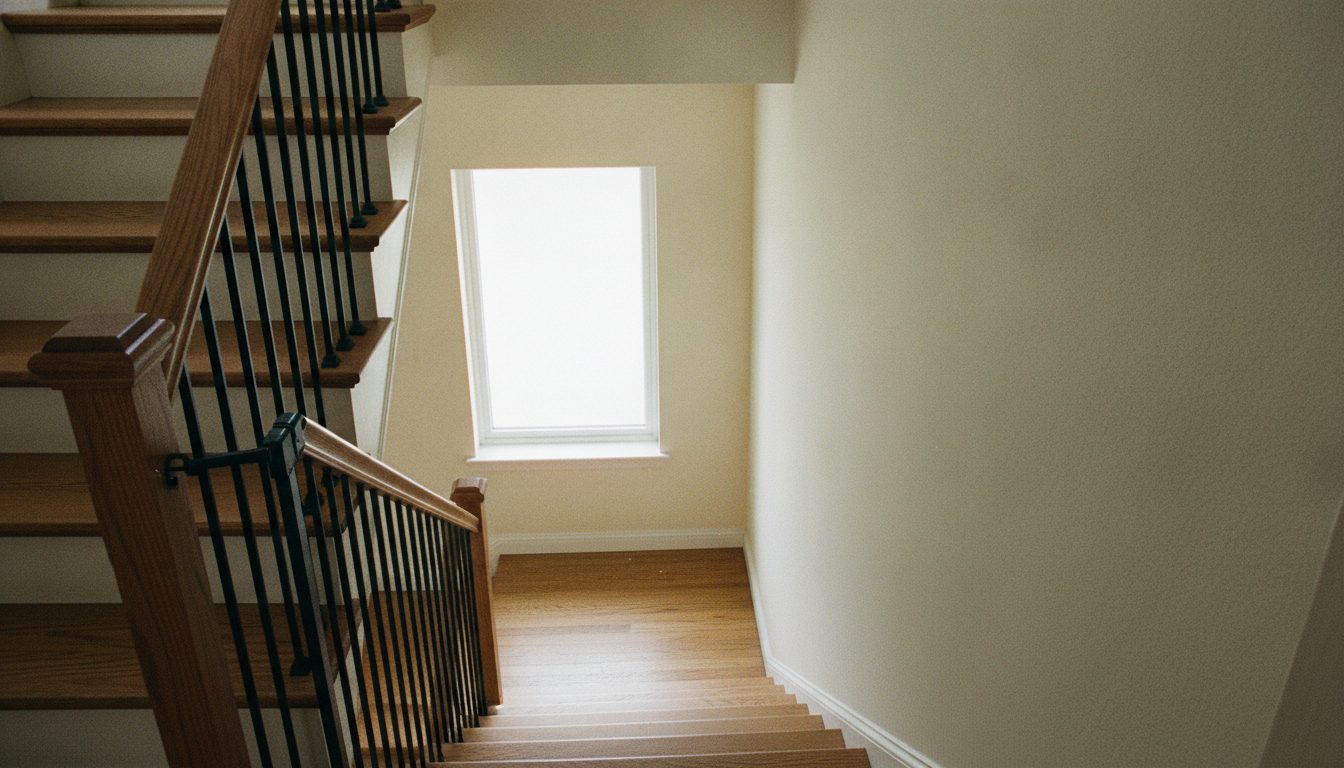
How to Prevent Guest Injuries at Your Vacation Rental
Most vacation rental guest injuries come from slips, stairs, and burns. Prevent them with railing fixes, lighting, posted instructions, and liability coverage.