What Signage to Put Up in a Vacation Rental Home

Good signage in a vacation rental answers a question before a guest has to text you about it. The signs worth posting cover wifi access, appliance quirks, safety basics, checkout steps, and anything your local permit requires. Each sign belongs exactly where the guest needs the information.
The master sign list
Most properties are covered by ten or so signs. A sign earns its spot on the wall if it answers a question guests actually ask. Print from this list, then cut anything your property genuinely does not need.
- Wifi network and password, by the router and in the main seating area
- Property address, by the door or on the fridge
- Emergency numbers: your contact, local police, nearest hospital
- Fire extinguisher, breaker panel, and water shutoff locations
- Thermostat instructions, posted at the thermostat
- Appliance labels for anything non obvious: washer, coffee maker, hot tub, wood stove
- Trash and recycling sorting, at the bins
- Quiet hours, if your area or building has them
- Checkout steps and checkout time, inside the front door
- Any sign your permit or local rules require posted
Count the total before you print. Six to ten well placed signs come across as a helpful guide. Past a dozen, the walls start to feel like the work of a nervous host, even when every sign is useful on its own. Skip decorative filler too. A framed quote about relaxation does nothing a guest needs, and it dilutes the signs that do.
If guests let themselves in, the first sign they meet is at the door. Setting up self check in walks through the access side, from the lockbox to the first light switch.
Signage your jurisdiction may require
Licensed short term rentals often have posting requirements written into the permit itself. Common ones include the permit or license number, a maximum occupancy limit, a local emergency contact, and an evacuation route map showing exits. Some jurisdictions also mandate posted pool rules or pool safety signage where a pool or hot tub is regulated.
These requirements vary widely by city and county, so read your permit conditions and your local ordinance directly. Finding your local short term rental rules shows where those documents live. A required sign missing during an inspection can put the permit at risk. Post this category first and improve the design later.
Appliance and wifi labels
Post the wifi password near the router and again near the main seating area. Guests look for it the moment they walk in the door. Large, legible text beats a small card tucked in a drawer.
Label any appliance that would puzzle a first time user. A washer with unmarked dial settings, a coffee maker with a non standard brew cycle, and a thermostat with a locked range all qualify. A short label with a photo of the correct setting prevents more damage than a paragraph of instructions buried in a welcome book.
Test each label with someone who has never used the appliance before you settle on final wording. A step that seems obvious after years of weekly use can still trip up a guest seeing that model for the first time.
Safety and emergency signage
Post the property address near the door or on the fridge. A guest calling emergency services in a panic often cannot recall an address they saw once at booking.
Mark the fire extinguisher, the breaker panel, and the water shutoff with small, clear labels. Note any hazard specific to the property, like a steep drop-off, thin ice on a pond in winter, or a locked gate around a pool. These signs matter more than any other category on this list. The cost of a guest failing to find the information quickly can be serious.
Include a printed emergency number list on the fridge or inside a kitchen cabinet door. Cover local police, the nearest hospital, and your own contact number. A guest searching on a phone with no signal is exactly the moment the printed backup earns its place.
If your property has accessibility features worth calling out, signage is where guests notice them in person. Accessibility basics for vacation rental hosts explains what to measure and mention before you print.
Checkout reminder signs
A short checkout list posted near the door covers the handful of tasks that matter. Start the dishwasher, start laundry if requested, lock up, and drop the key where instructed. Keep it to five items or fewer, and post the checkout time clearly beside it. Guests forget the exact time between booking and the last morning of a stay.
Number the steps in the order a guest would naturally do them. Start from wherever they wake up and end at the door. A checklist that jumps from the kitchen to the bedroom and back is harder to follow than one that flows in a straight line.
Designing signage that feels welcoming
Use a consistent format across every sign so guests learn to recognize and trust them at a glance. A matching font and simple frame style reads as intentional. A printed set with a shared design, sized to standard frames, has a second benefit. A sign that goes missing or fades stands out against the rest.
Write in a friendly, direct tone instead of a list of commands. "Please start the dishwasher before you go, thanks" carries the same information as "DISHWASHER MUST BE STARTED". The tone changes how a guest feels leaving your property. Placement does the rest of the work. A checkout sign taped inside the front door gets read on the way out every time. The same sign on a hallway wall three rooms away gets walked past.
Signs handle what fits in a dozen words, so pair them with a written guide for everything longer. What to put in a guest quick start guide covers the condensed version guests read on arrival. Whatever set you land on, walk the house once as a first time guest. Post each sign at the exact spot where its question occurs.

What to Put in a Guest Quick Start Guide
A guest quick start guide fits five things on one page: entry code, wifi, an emergency number, checkout time, and where the full house manual lives.
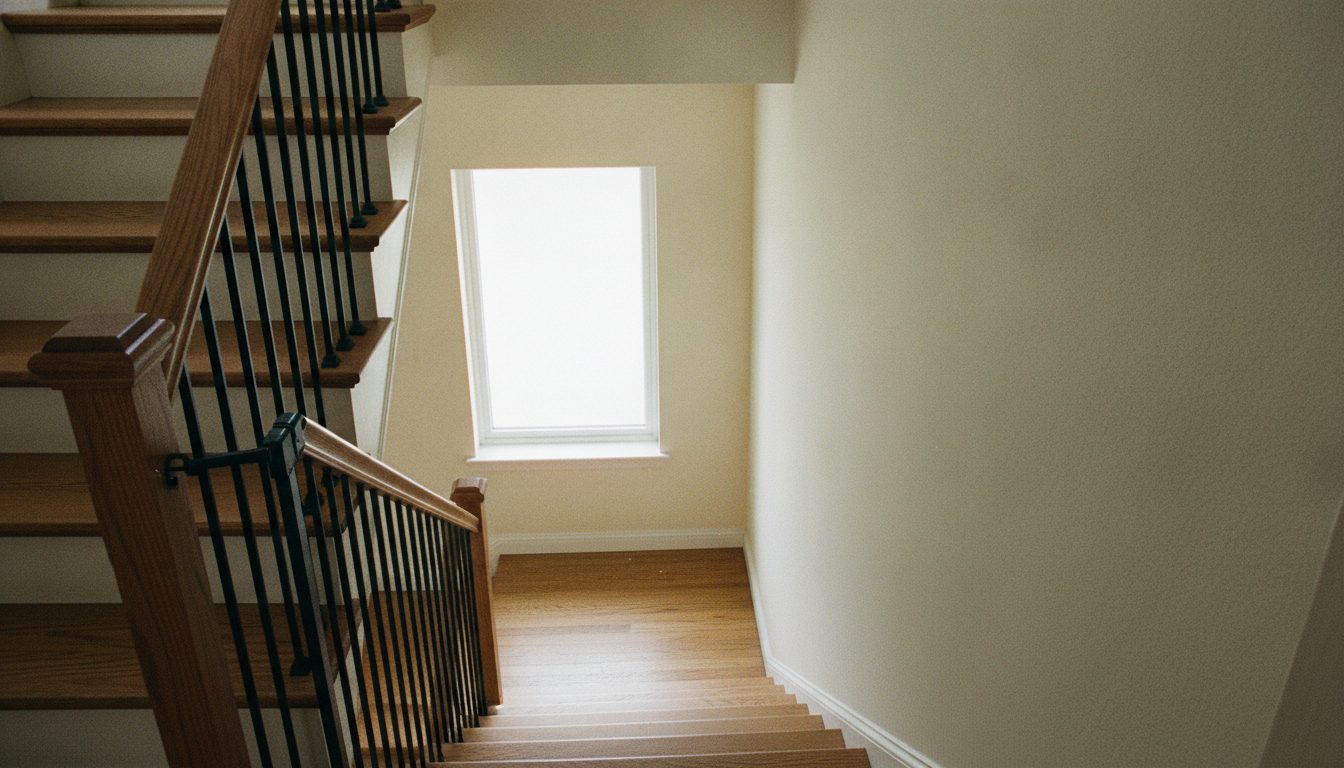
How to Prevent Guest Injuries at Your Vacation Rental
Most vacation rental guest injuries come from slips, stairs, and burns. Prevent them with railing fixes, lighting, posted instructions, and liability coverage.

What to Do When Guests Run Out of Supplies Mid Stay
When guests run out of supplies mid stay, restock the same day without blame. Starter supply wording and baseline quantities stop repeat requests.