How to Photograph a Vacation Rental Without a Professional
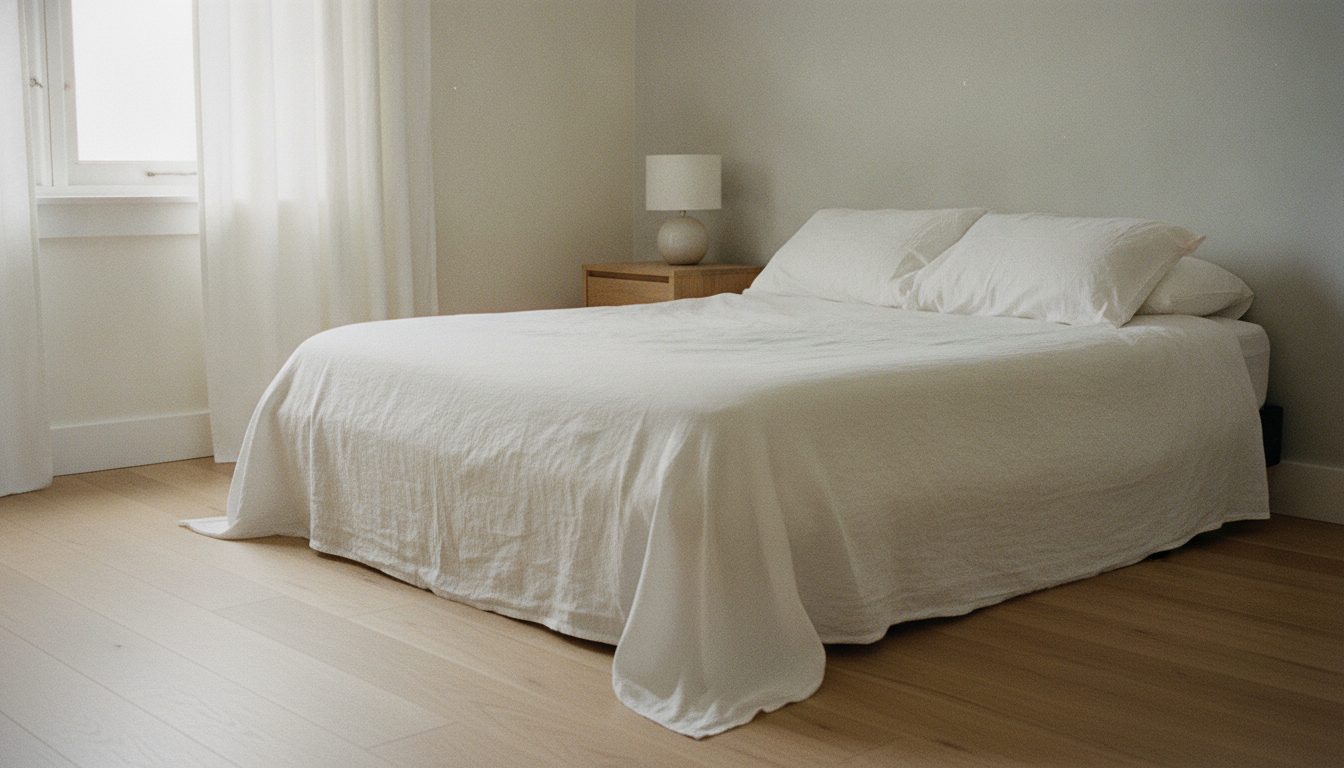
You can photograph a vacation rental yourself by shooting in natural daylight, working from a room by room plan, and keeping staging simple. A phone camera and a few habits around light and angle get you photos that look clean without hiring anyone.
Preparing the space before shooting
Clean the property the way you would for a guest arrival, then go further. Wipe every counter and mirror right before you shoot. A phone camera catches fingerprints and water spots that your eye skips over in person. Clear clutter off every surface. A single stray charging cord in a photo pulls a viewer's eye away from the room itself.
Open every blind and curtain to let in as much daylight as possible. Turn on interior lights too, even during the day, since layered light fills in shadows a window alone cannot reach. Walk each room once before shooting. Remove anything that would not be there for a guest, like cleaning supplies or a laundry basket.
Phone settings that do the heavy lifting
Five minutes in the camera settings improves every shot you take afterward. Set these once before the first room.
- Hold the phone horizontal. Listing layouts and cover crops are built for wide images, so a vertical shot gets cropped or shrunk on the search page.
- Leave HDR on. It balances a bright window and a dim corner inside one frame, which is the exact problem interior shots have.
- Tap the screen to focus on the room, then drag the exposure slider down slightly if the window is washing out to white.
- Turn on the grid. Lining up walls and doorframes against it keeps the verticals straight.
- Steady the phone. Use a small tripod, or brace your elbows against a doorframe, and fire with the volume button or a 3 second timer so tapping the screen does not shake the frame.
Resolution is rarely the problem. Airbnb's photo guidance, as of this writing, asks for images of at least 1024 by 683 pixels, and any phone from the past decade clears that many times over. The floor only matters if you crop hard, so frame the shot right in the room instead of fixing it later.
Working with natural light
Shoot on a bright but overcast day if you can choose the timing. Direct sun through a window creates harsh bright spots and deep shadows that a phone camera struggles to balance. Overcast light spreads evenly across a room and gives you a more accurate looking result with far less editing.
Time your shots around when each room gets its best light. A room with east facing windows looks best in the morning. A west facing room looks best in late afternoon. If a room gets no direct sun at all, shoot it midday. Ambient light is strongest then, and interior lights fill in the rest.
Avoid shooting straight into a window when possible. A bright window behind your subject turns everything else in the frame dark. The camera darkens the whole room to keep the window from blowing out. Angle your shot so the window is a side detail in the frame, not the dominant light source you are shooting against.
Angles that make rooms look accurate
Shoot from a corner of the room rather than the center. A corner angle shows two walls and more of the room's actual shape. That reads as more accurate than a straight on shot that flattens everything. Hold the camera at roughly chest height rather than eye level. A slightly lower angle tends to make ceilings and rooms feel more spacious.
Keep the camera level. A tilted horizon or a leaning doorframe looks amateur fast, even when the composition itself is strong. The grid you turned on earlier makes this a two second check in every room.
Avoid extreme wide angle lenses or settings that distort the room's proportions. A very wide shot can make a small bedroom look larger than it is. Guests notice the mismatch the moment they walk in, and the gap between photo and reality resurfaces later as a review.
Simple staging that helps not hurts
Staging should support the room without pulling attention from it. Fresh towels folded on the bed, a bowl of fruit on the counter, and a throw blanket on a chair all read as intentional. None of it looks staged. Skip anything a guest would have to remove to use the space, like decorative pillows piled three deep on a bed meant for sleeping.
Turn on any lamps in the shot even during daylight hours. A lit lamp signals warmth in a photo in a way an unlit one does not. It also fills in shadow areas a window cannot reach alone. Close toilet lids, hide trash cans, and tuck away cords before every bathroom and bedroom shot.
What to shoot first when time is tight
If you only have an hour of good light, prioritize the rooms guests scroll to first: the primary bedroom, the main living space, and any standout outdoor feature. Bathrooms and secondary bedrooms can wait for a second session if the light runs out, since they carry less weight in a guest's first impression.
Keep a running list on your phone of rooms you still need. A shot list built before shoot day does the same job with less improvising. It is easy to lose track once you are a few rooms in and the light starts shifting. A quick check against the list before you pack up saves a return trip for one missed angle.
Decide how many photos the listing actually needs before you start. Knowing you need 25 finished frames changes how long you give each room.
Editing without overdoing it
Basic edits are worth your time. Straighten a slightly crooked horizon, brighten a dim shot, and correct a color cast if the room reads too yellow or too blue. Most phone photo apps handle these adjustments with a single slider. The difference between an unedited and lightly edited photo often separates an amateur listing from a polished one.
Once the set is done, pair it with a listing description that names what each photo shows. The words and the images sell the same rooms, so write them against the finished set.
Stop before editing crosses into misrepresentation. Do not remove a visible flaw, replace a real sky through a window, or brighten a room so far past reality that a guest feels misled. The goal of editing is to show the room the way it actually looks in its best light, never a version that does not exist.

How to Ask Guests for a Review Without Being Pushy
One ask in the checkout message and one reminder before Airbnb's 14 day window closes. How to ask guests for a review without applying pressure.
How to Attract Remote Workers to a Vacation Rental
Workspace photos, a posted wifi speed, weekly discounts near 5-10%, and Airbnb's workspace filter do most of the work of attracting remote workers.

How to Build Local Business Partnerships for a Vacation Rental
Trade referrals with nearby shops, guides, and restaurants so a vacation rental gets recommended locally. With a walk-in pitch script and fee guardrails.