Trash Rules to Post for Guests at a Bear Country Rental
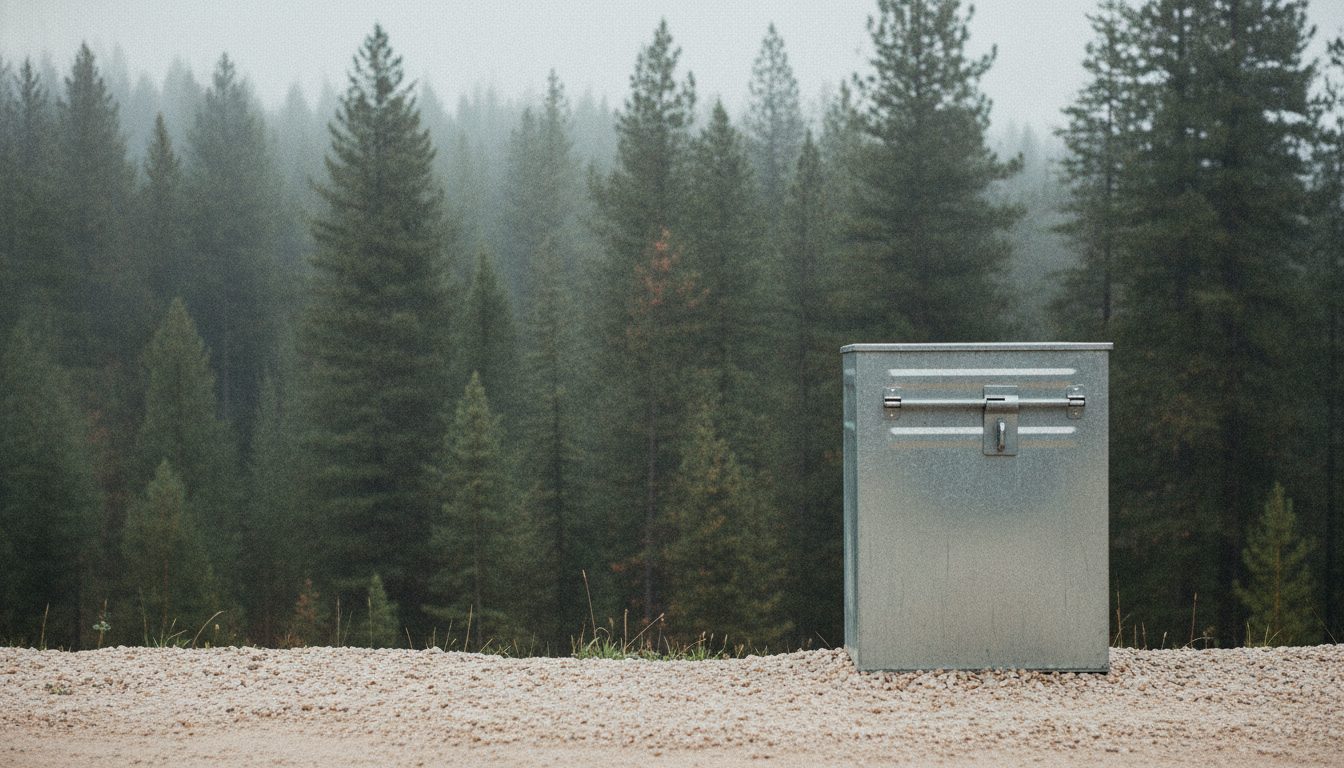
Trash rules in bear country boil down to three things: keep bins secured, put trash out only on pickup morning, and never leave bags sitting outside overnight. A bag left out overnight is how a bear learns that a property is worth checking.
The sign, ready to post
This home is in bear country. All trash and recycling goes in the bear resistant bin behind the shed. Latch it every time. Trash goes out on pickup morning only, never the night before. Please do not leave bags on the porch or deck, even for an hour. If a bear shows up, stay inside and text us.
Swap in your own bin location and pickup day, print it large, and post it twice. Put one copy by the kitchen trash and one at the door guests carry bags through. A printed wildlife guidance pack includes bin signage in this format if you would rather not build the layout yourself. The sections below explain each line, so you can adapt the wording without losing the point of any rule.
Where the trash bin lives
Tell guests exactly where the trash bin lives. Do not assume they will find it on their own. Name the specific spot, whether that is a garage, a bear proof enclosure, or a locking outdoor bin. A vague instruction like put trash in the bin sends guests hunting. That search often ends with a bag left by the door instead.
If your bin has a specific latch or lock mechanism, show a photo or a short line explaining how it works. Guests give up fast on a bin they cannot figure out. A bag left on top of a locked bin is almost as bad as a bag left on the ground.
A photo posted right at the bin helps more than a paragraph in the house manual. Guests are standing at the bin when they need the answer. The manual is back inside on a shelf. Match your instructions to the moment they get used.
When to take trash out and when to wait
Trash goes out on pickup morning only. This is the most important rule on the list. Bags sitting at the curb overnight are exactly what draws attention. If your pickup happens early, tell guests the specific time so they know how early is early enough.
| Timing | Guest action |
|---|---|
| Pickup morning | Move bin to curb or pickup point |
| Night before pickup | Leave bin secured, do not move it out yet |
| Any other night | All trash stays in the secured bin or enclosure |
For a short stay that does not line up with pickup day, tell guests where to store bagged trash securely rather than leaving them to guess. A locked shed or bear proof bin works better than a porch corner, even for a single overnight bag.
Back to back bookings add another wrinkle. A guest checking out the morning after pickup may have a bag or two from their last night. Give them a clear spot for that final bag instead of leaving them to decide between the empty curb bin and the porch.
Securing bins between pickups
A bin with a lid that does not latch is barely better than no bin at all. Check your latch or lock regularly. A mechanism that guests wrestle with tends to loosen or break over a season of use. Replace it before it becomes the reason a bear gets into the trash.
If you are buying a dedicated bin, look for one certified as bear resistant by the Interagency Grizzly Bear Committee. That certification is the standard most wildlife agencies point to, and certified models are tested against actual bears. Until then, a locked shed, garage, or enclosed area is a reasonable substitute. The goal is simple. Nothing with a food scent should stay reachable from outside between pickups.
Walk the property after a windy night and check that nothing blew loose from the bin area. A lid that pops open in a storm undoes every other rule you have posted, and guests rarely notice until it is too late.
Items that should never sit outside
Trash bags, recycling, pet waste bags, and anything from the kitchen should never sit outside a secured container, even briefly. Guests often treat recycling as an exception since it feels less like food waste. Food residue on cans and containers carries a scent just the same.
Cardboard boxes from grocery deliveries or takeout deserve the same treatment. Break them down and store them with the rest of the trash rather than stacking them by the door for later. A stack of flattened boxes by an entryway can smell like the groceries that came in them for longer than most guests expect. The same logic applies inside the house, where safe food storage habits cover the other major scent source guests need to manage.
What to do after a bear gets into the trash
Even good rules fail once in a while. Tell guests what to do when one does, and put the same steps in the manual.
- Stay inside and keep kids and pets in. Never approach a bear over trash.
- If the bear lingers, make noise from a window or doorway. Most black bears leave when people make themselves loud and obvious from a safe spot.
- Message the host right away so cleanup can happen the same day.
- Once the bear is clearly gone, pick up every scrap, or leave it for the host if that feels unsafe.
- Report the incident to the state or provincial wildlife agency if the bear damaged property or came back.
Fast cleanup matters because a bear that finds food once tends to return and check again. Wildlife agencies call this food conditioning, and it is the main reason problem bears end up relocated or destroyed. The rules protect the bear as much as the property.
Local bear country requirements to check
Point guests to your state or provincial wildlife agency for current bear activity and official trash storage requirements. Do not present your own rules as the only source. A short pre-arrival message about bears sets the tone before any posted rule gets read.
Some areas set storage requirements for short term rentals that go beyond general advice, and those requirements can change year to year. If your municipality requires a specific bin type or fines improper storage, put that on the sign. A rule with a fine behind it gets followed more consistently than a host preference, so name the ordinance if your town has one.
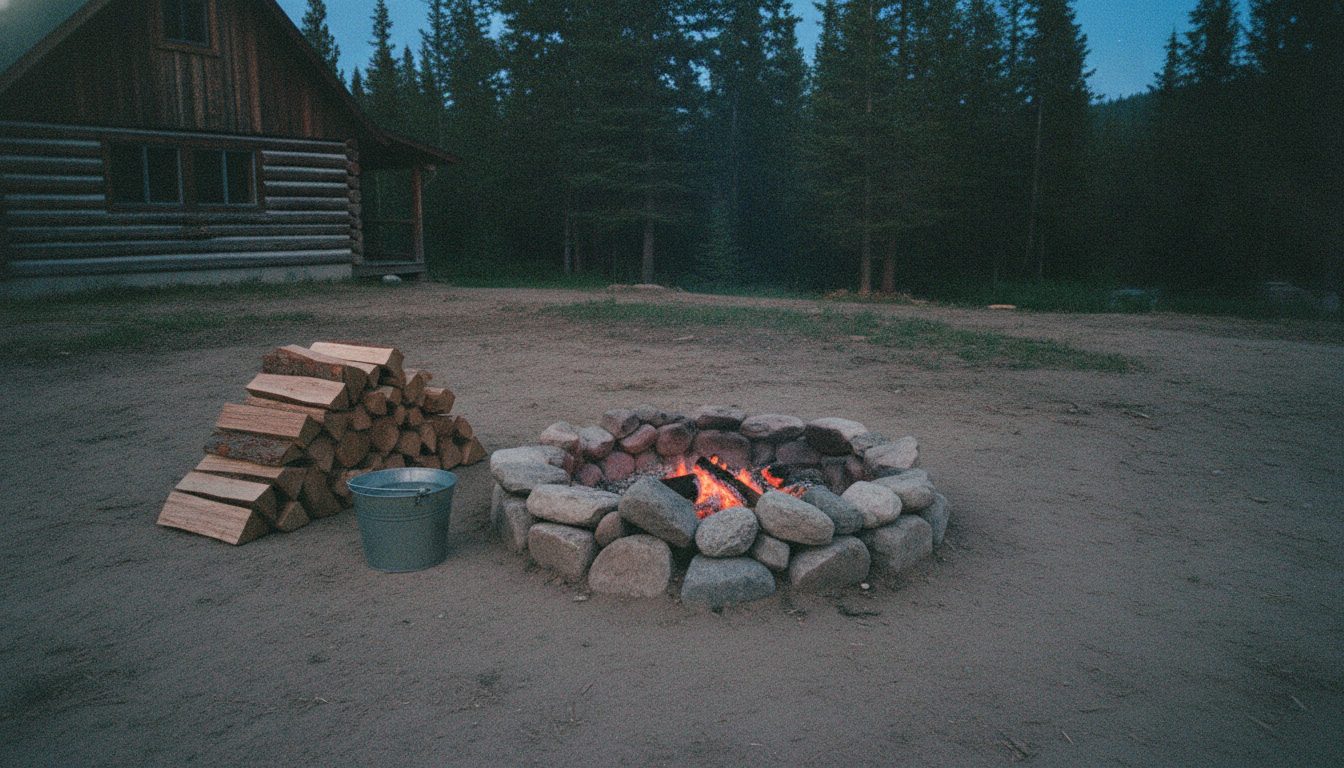
Outdoor Fire Rules to Tell Cabin Rental Guests
Give guests numbered outdoor fire rules: check the current burn ban, keep fires in the pit, drown the coals twice. Includes a ready to post list.

Life Jacket Rules to Explain to Lakefront Rental Guests
Life jacket rules for a lakefront rental: sizing by weight (infant 8-30 lbs, child 30-50), where jackets are stored, and which activities require one.
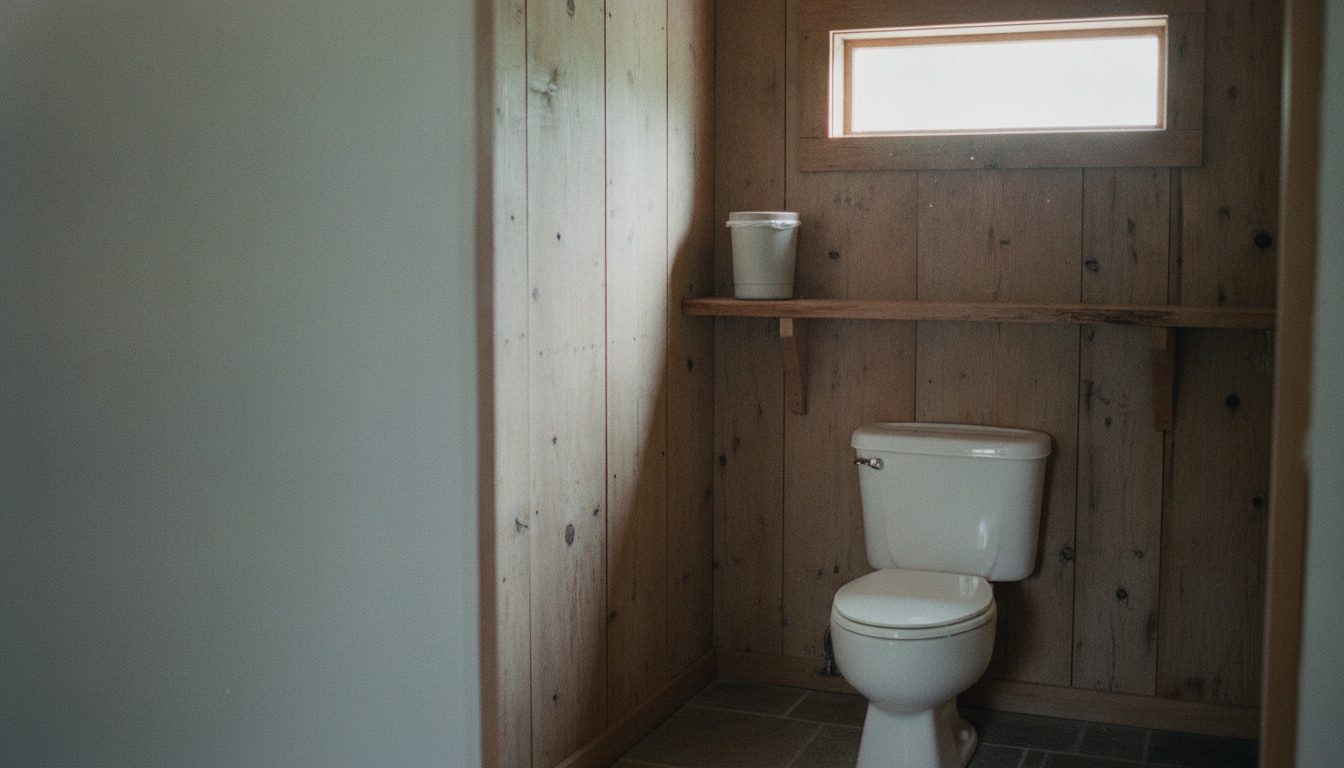
Signs a Septic Tank Needs Pumping Before Guests Arrive
Slow drains, gurgling, sewer odors, and soggy ground over the field are the main signs. Most tanks need pumping every 3 to 5 years; a pumper confirms.