Signs a Septic Tank Needs Pumping Before Guests Arrive
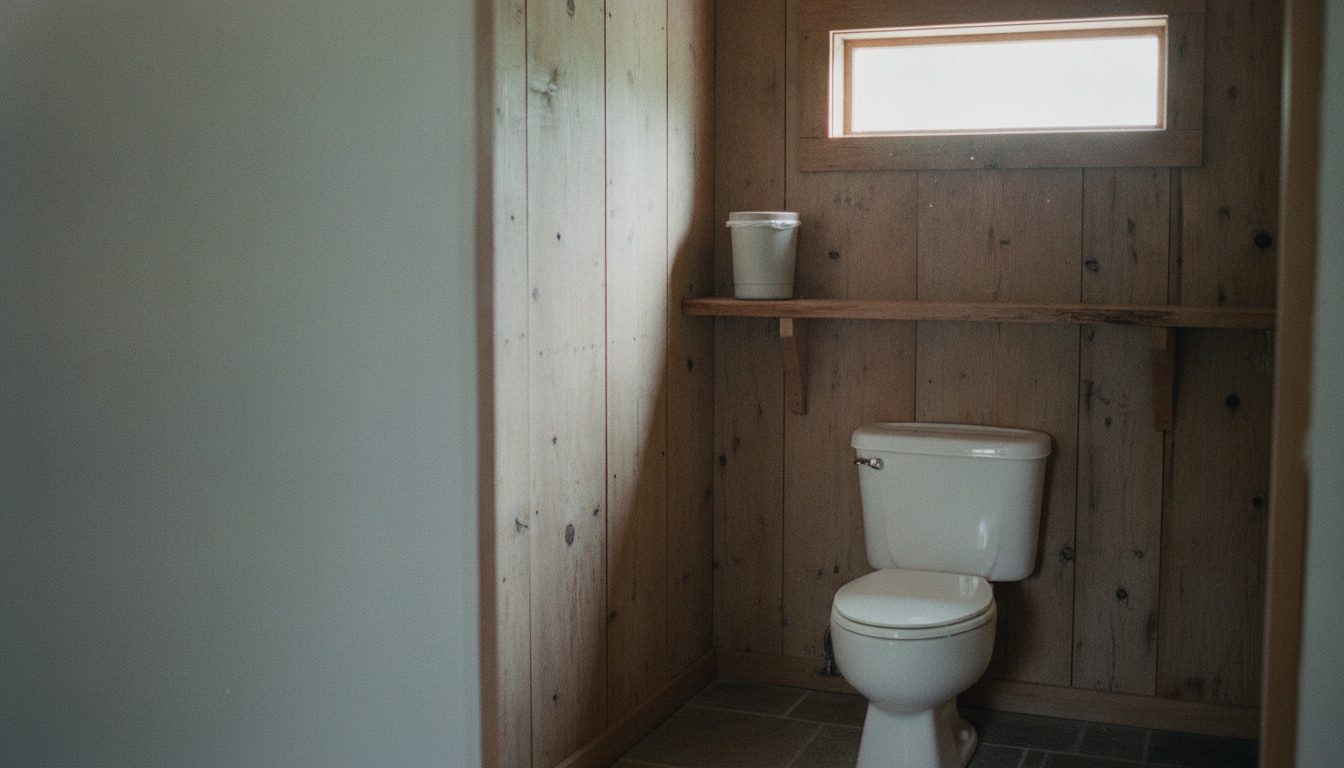
Slow drains, gurgling pipes, odors near the tank, and standing water over the drain field are the usual signs a septic tank needs pumping. Sewage backing up into the lowest drains is the severe one. None of these tell you exactly how full the tank is, so treat each as a reason to call a licensed pumper rather than a way to guess the timing yourself.
Slow drains and gurgling sounds
A tub that drains slower than it used to often means the tank is getting close to full. So does a toilet that gurgles after a flush. Air pushing past wastewater in a nearly full line makes that gurgling sound. It tends to show up first in whichever fixture sits lowest in the house.
One slow drain by itself might just be a local clog in that one pipe. Multiple fixtures acting up at the same time points toward the tank itself.
Keep a short note of what fixture acted up and when. A single slow drain during one busy weekend might mean nothing. The same drain acting up on three separate weekends is a pattern worth mentioning to your pumper the next time you call.
Odors near the tank or drain field
A sewage smell outside, near where the tank or field sits, is one of the more reliable warning signs. A tank working normally does not smell from the yard. Odor there usually means gas is escaping through soil that should be handling it underground. It can also mean the tank has backed up closer to the surface.
Odor inside the house points elsewhere first, often a dry trap or a venting problem. Either way, a smell that was not there last season is worth a call.
Tank age matters here too. An older tank that has gone several seasons without pumping is more likely to produce odor as sludge builds near the outlet. If you do not know when the tank was last pumped, ask your pumper to check their records or start a new one at the next visit.
Standing water over the drain field
Soggy or spongy ground over the drain field is a warning sign, especially in dry weather when the rest of the yard is not wet. That sogginess means the field cannot absorb what the tank is sending it. Grass that grows unusually green and fast over that same strip is another version of the same problem. It is feeding on more moisture and nutrients than the rest of the lawn gets.
Standing water over the field after a busy guest stay is worth photographing. Mention it to your pumper by location when you call. That detail helps them figure out whether the problem sits at the tank or further down the line.
A field that stays soggy for days after guests leave deserves a call even if no single sign looks alarming. Fields recover once the load lightens, and one that no longer bounces back the way it used to has changed for a reason.
Sewage backup is the emergency sign
Wastewater rising into a tub, shower, or floor drain means the system has nowhere left to send it. Stop water use immediately: no laundry, no dishwasher, no long showers. If guests are in the house, tell them plainly and get a pumper or septic service out on an emergency basis.
Backups rarely arrive without warning. The slow drains and gurgling usually come first, which is why the earlier signs deserve a call while the fix is still a routine pump. A clear bathroom sign about the septic system and a short list of what guests should never flush lower the odds of ever reaching this point.
How often a septic tank needs pumping
The EPA's household guidance puts typical pumping at every 3 to 5 years. Tank size, household size, garbage disposal use, and guest volume all move that interval. A rental that hosts full houses works closer to the 3 than the 5.
Pumpers also use a fill rule you can ask about by name: pump once sludge and scum take up about a third of the tank's volume. That measurement is what your schedule should follow, and only someone opening the lid can take it.
A routine pump commonly costs in the $300 to $600 range, depending on tank size, access, and region, and your pumper confirms the real figure for your tank. Set against a mid stay backup, an emergency call, and the review that follows a bad smell, an early pump is the cheap option.
Why timing between guests matters
A tank that handles two people every weekend without trouble can struggle fast once eight guests move in for a week. More people means more water and more solids moving through the system in a shorter span. I own a place on septic. It ran as a short-term rental for a while. Watch the signs above more closely whenever the calendar fills up.
Build slack into your pumping schedule ahead of your busiest stretch of bookings. Reacting to a slow drain in the middle of a guest's stay is the expensive version of the same job. If the property sits empty over winter, fold a tank check into your off season shutdown checklist so spring opening does not start with a surprise in the yard.
Ask your pumper about a schedule
A licensed pumper can measure sludge and scum levels directly instead of guessing from symptoms at the surface. Household size, tank size, and guest volume all shift the right interval, and a pumper who has seen your tank before sets it better than any generic rule.
Ask the same pumper to flag anything unusual while they are there, like roots near the tank lid or a worn baffle. Catching a small problem during a routine pump is far cheaper than finding it during an emergency call between two bookings. The cabin septic pack includes a written version of these visual signs, useful for a cleaner or caretaker to watch for between your own visits.
Finish each visit with a record. Ask for the tank size, the sludge level, and the recommended next date written on the invoice, and keep it with the property's maintenance file. The next slow drain can then be checked against a date instead of a memory.

How to Prepare a Well Water Cabin for Guests
Run each tap until the water clears, check pressure and the sediment filter, and flush the heater to prepare a well water cabin for guests after it sits empty.

When to Call a Professional for a Rental Hot Tub Problem
Electrical faults, a cracked shell, and stubborn cloudy water need a licensed technician. A stuck jet or tired filter can wait for checkout.

Trash Rules to Post for Guests at a Bear Country Rental
Post three trash rules at a bear country rental: secured bins, pickup morning only, and no bags outside overnight. Includes a copy-ready sign.