Preparing Guests for a Cabin Stay Versus a City Condo
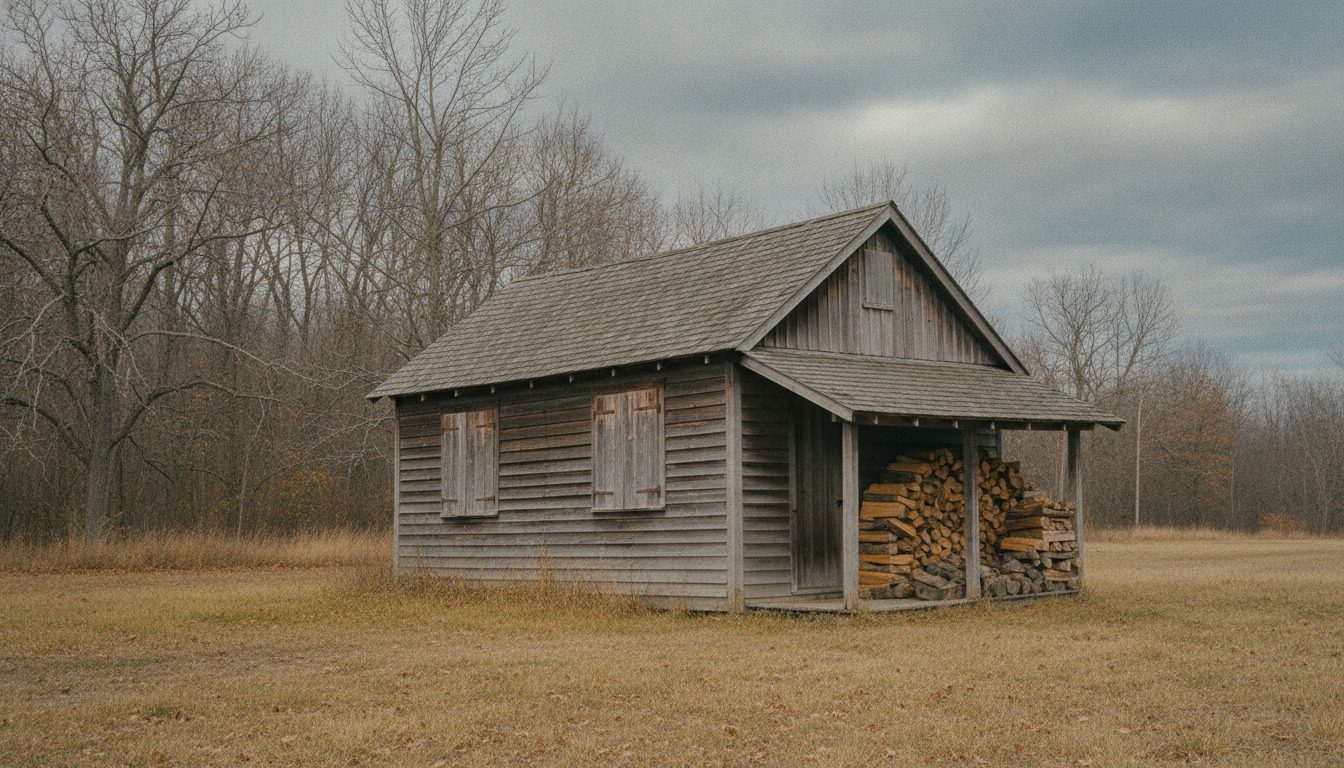
The real difference in renting a cabin versus a city condo is who the building's systems depend on. A condo hides sewer, water, heat, and snow removal from the guest completely. A cabin hands several of those systems straight to whoever is staying there. Your job as the host is a short, plain brief that reaches guests before arrival, because most cabin problems are caused by guests who were never told the cabin works differently.
None of it is complicated. Septic, well water, wood heat, and a gravel road each need about one sentence. The sections below cover what to say about each, and where to say it so guests actually read it.
What a condo absorbs and a cabin hands to the guest
Use this comparison as the outline for your brief. Every row where your property sits on the cabin side earns a line in the listing, the pre-arrival message, or a posted sign.
| System | A condo stay handles it | A cabin guest needs to know |
|---|---|---|
| Waste | City sewer, no thought required | Septic: nothing gets flushed but toilet paper |
| Water | Utility supply, effectively unlimited | Well and pump: heavy simultaneous use can outpace it |
| Heat | Thermostat on the wall | Wood stove or propane, with posted instructions |
| Winter access | Plowed street, covered parking | Driveway and access road, vehicle choice matters |
| Trash | Chute down the hall | Locked bin, wildlife rules, pickup day |
| Cell service | Full signal everywhere | Dead zones, offline maps, slower host replies |
Water and septic need one plain sentence each
Septic and well systems are finite, and guest behavior affects them directly. A septic tank can only handle so much at once. A well can only refill so fast. Tell guests plainly what never gets flushed and what stays out of the drains, in wording that reads as information rather than a warning. A short posted sign near the toilet outlasts a paragraph in a manual nobody reopens.
I own a place on septic. It ran as a short-term rental for a while. The stays that produced problems shared one feature: the guests never learned the place was on septic at all. One sentence in the listing description would have prevented nearly every incident, which is why that sentence now sits at the top of my advice to any rural host.
Water clarity and pressure can also differ from anything a condo guest has seen. Is well water safe for vacation rental guests covers how to frame that honestly, including when bottled water is the simpler answer.
Heat, hot water, and power surprises
Guests used to a wall thermostat need a plainer explanation of what keeps the place warm, especially where wood, propane, or a generator is involved. Post the lighting steps for a wood stove next to the stove itself. A cold guest at 10pm will not go looking for a binder.
Hot water runs out faster at many cabins too. A well pump feeding a propane water heater recovers slower than the building-supplied hot water a condo guest expects. One line about spacing out showers heads off a confused message halfway through the trip.
Roads, weather, and the last stretch
Describe the final stretch of road in the listing, and say what kind of vehicle handles it in bad weather. A rental sedan and a truck have very different options once conditions turn. That difference belongs in front of the guest before booking rather than after they are stuck.
This is the detail I take most seriously, because I live at the end of a road with two spots that stop people when the weather turns. A property with a stretch like that needs directions naming the season, the vehicle, and the fallback plan. Winter changes the brief: add where the plow stops, who clears the driveway, and what happens if a storm closes the road during a stay.
Wildlife, trash, and the outdoors
Trash handling is the wildlife rule that matters most. A locked outdoor bin, rather than an open can by the door, prevents the majority of animal problems without asking guests to remember anything. Systems guests cannot get wrong beat rules they have to recall.
Food storage and what to do when something wanders through the yard deserve a calm line each. What to tell guests about bears at a cabin covers that briefing without turning it into a scary email. Ticks and general outdoor exposure earn a quick note too, since a first-time rural guest may never have checked for a tick in their life.
Cell service and response times
Weak or missing cell service is the gap a city guest plans around least. Say upfront that replies may lag at the property and explain why, so a guest never assumes they are being ignored. Have guests download offline maps before they leave pavement. Preparing guests for a cell dead zone covers the full pre-arrival version of that briefing.
If the property has a landline, wifi calling, or a neighbor who checks in, say so. Those details reassure a first-time rural guest faster than any amount of general comfort language.
The pre-arrival brief that covers all of it
Put the real differences in the listing itself first, one plain line per system, so guests self-select before booking. Then send a short message a few days before arrival that repeats only the behavior you need from them.
- Septic: flush toilet paper only
- Well water: fine to drink, space out heavy use
- Heat: what runs it and where the instructions are
- Road: what to drive and where the tricky spots are
- Trash: use the locked bin, always
- Cell service: download offline maps first
Quick heads up before your stay, we're on well water and a septic system, so please skip flushing anything but toilet paper. Cell service is spotty here too, so it helps to download offline maps before you head out.
Posted signage carries the load once guests settle in and stop reading messages. The printable signs pack covers septic, water, and general cabin reminders in one set. Reread your own brief each season, because the road warning that matters in January is dead weight in July, and a brief guests can finish in thirty seconds is the one they actually finish.
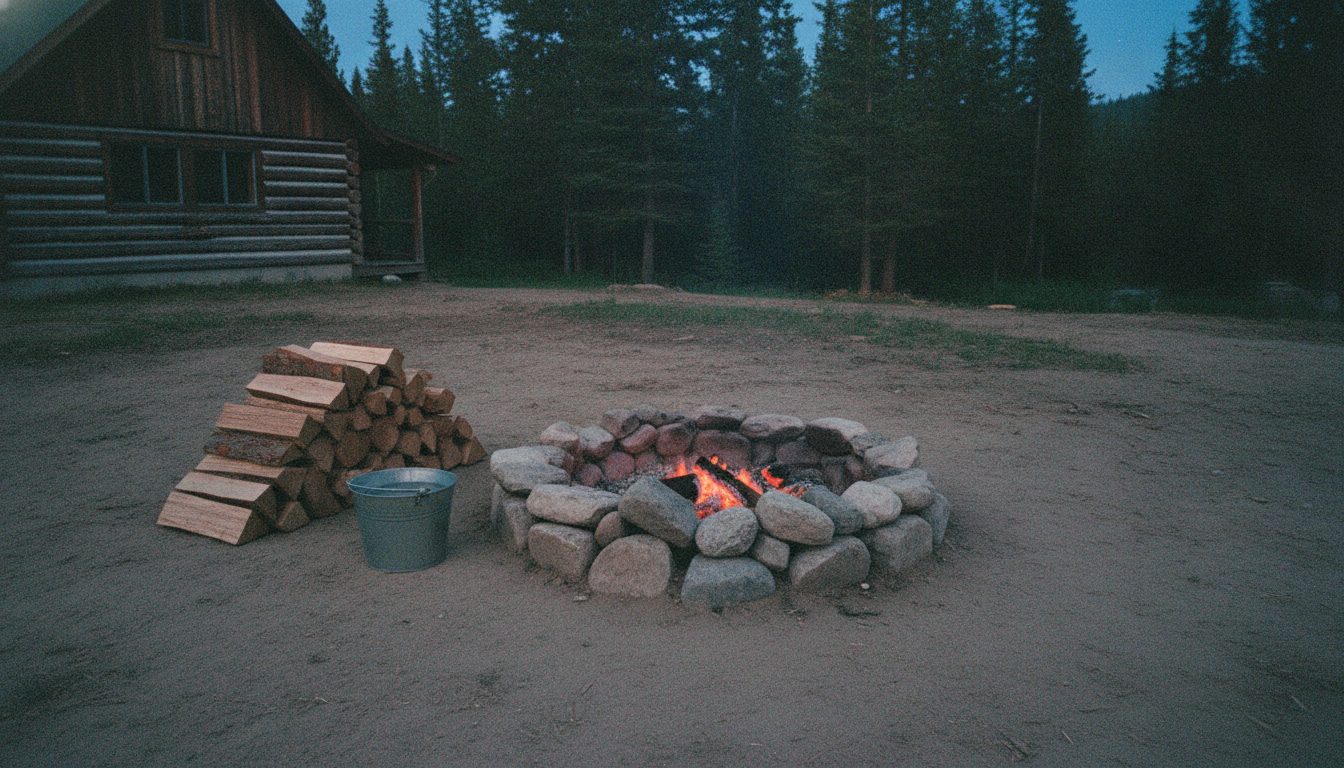
Outdoor Fire Rules to Tell Cabin Rental Guests
Give guests numbered outdoor fire rules: check the current burn ban, keep fires in the pit, drown the coals twice. Includes a ready to post list.
Life Jacket Rules to Explain to Lakefront Rental Guests
Life jacket rules for a lakefront rental: sizing by weight (infant 8-30 lbs, child 30-50), where jackets are stored, and which activities require one.
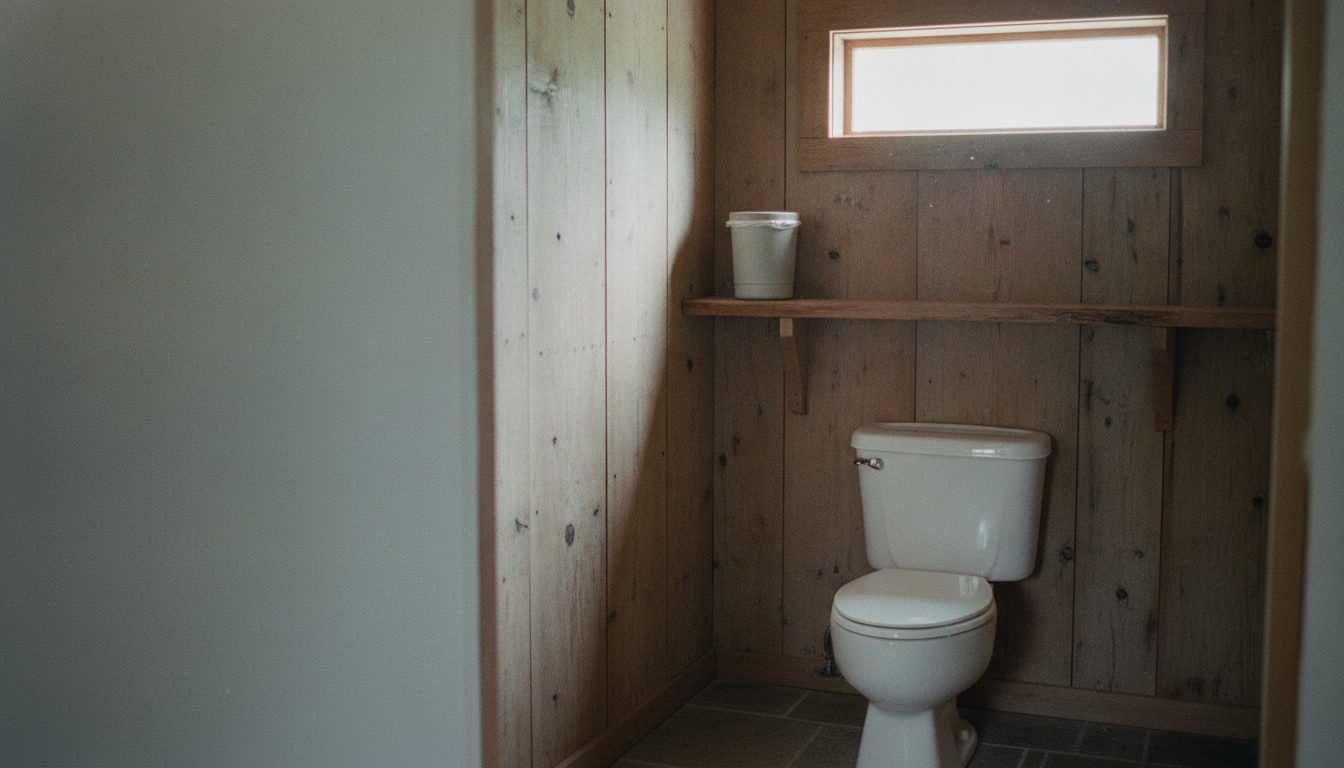
Signs a Septic Tank Needs Pumping Before Guests Arrive
Slow drains, gurgling, sewer odors, and soggy ground over the field are the main signs. Most tanks need pumping every 3 to 5 years; a pumper confirms.