Backup Heat Options to Explain to Rural Rental Guests

Explain backup heat to rental guests by naming the exact source and showing them how to run it. Then state plainly what they should never touch on their own. A rural property often has more than one backup heat option, and guests need to know which one is theirs to use.
Common backup heat options at rural rentals
Most rural properties lean on one of three things when the main heat fails: a wood stove, a permanently installed propane heater that vents outside, or a generator wired to the furnace. Each one asks something different of a guest who has never used it before.
A wood stove needs to be fed, damped, and watched. A vented propane heater usually just needs a dial turned. A generator often needs nothing from the guest beyond knowing it exists, that it stays outside, and roughly how long it runs on a tank of fuel.
Portable propane and kerosene heaters are a different case. They are built for job sites and open air. Running one inside a closed cabin puts carbon monoxide into the room. Never present one as indoor backup heat, and never leave one where a cold guest could decide to try it.
List every heat source the property actually has. A guest who cannot find the propane heater you mentioned will assume there is no heater at all. Then they go without heat instead of searching the shed in the dark.
A quick reference table for the house manual
Guests do best with one table that answers three things: whether they can run it, what it burns, and how long it lasts. Something like this near the front of the house manual covers most cold night calls before they happen.
| Heat source | Who runs it | Fuel | Typical run time |
|---|---|---|---|
| Vented propane wall heater | Guest, after reading the posted card | Propane from the house tank | Days to weeks, depending on tank size |
| Electric space heater | Guest | House power | As long as power is on |
| Wood stove | Call the host first | Firewood | Commonly 4 to 8 hours per full load |
| Portable generator | Host or caretaker only | Gasoline or propane | Commonly 8 to 12 hours per tank at half load |
Fill in real numbers where you have them. Propane holds about 91,500 BTU per gallon, so a 10,000 BTU wall heater running steadily burns roughly a gallon every 9 hours. A 100 gallon tank at the standard 80% fill holds 80 gallons, which works out to about a month of continuous running at that rate.
Generator run times vary by model and load, so copy the figure from the manufacturer manual onto the label. Note the fuel type next to anything that needs one. A guest checking whether a tank is low reads the gauge wrong more often than you would expect. Put the normal range on the label so they know what full and empty look like.
What guests can safely operate themselves
A permanently installed propane heater that vents outside, with one dial and an obvious shutoff, is usually something a guest can run alone once they have read the label. Keep the instructions short and printed near the unit rather than tucked inside a longer manual.
A space heater plugged into a normal outlet is the simplest option, since most guests already own one at home. Most household units top out at 1,500 watts. A standard 15 amp circuit carries about 1,800 watts, so one heater takes most of the circuit. Say which outlets to use, and warn against stacking a heater with a hair dryer on the same line.
Anything with an open flame, a fuel tank, or a flue asks for more caution. If you are not confident a guest can run it correctly from a written page, treat it as a call to you first.
Test this yourself before the season starts. Read your own instructions as if you had never seen the appliance before. A step that seems obvious to you after years of use often skips something a first time guest needs.
What requires a call to the host
A wood stove sits in this category for most properties, unless a guest has already been walked through it in person. How to write wood stove instructions for guests covers what that written walkthrough should include, from starting a fire to shutting the damper down.
A generator that needs manual starting, fuel added, or a transfer switch flipped belongs on your side of the line. A generator also runs outside only, away from doors, windows, and vents, and never in a garage or under a covered porch. These have real ways to go wrong, from carbon monoxide buildup to electrical damage. A guest guessing at the steps is a risk to both of you.
Anything involving a propane tank swap, a pilot light relight, or a breaker panel reset also belongs on the call list. Guests appreciate a short, direct line here more than a vague offer to help with anything.
Carbon monoxide precautions with backup heat
Any heat source that burns fuel, wood or propane, produces carbon monoxide. Working detectors near sleeping areas and near the heat source itself are required equipment. Why cabins need carbon monoxide detectors covers placement and testing in more detail.
Tell guests directly what a detector alarm means during backup heat use. It means leave the area and get outside. Silencing the alarm and going back to bed is the one response your instructions must rule out. A tired guest at 1am will take the path of least resistance unless the wording is unambiguous.
Remind guests that closed up rooms during a cold snap trap fumes faster than they expect. A cracked window does not make an unvented heater safe indoors. The only fix is to shut it off and use a heat source installed and vented for indoor use.
Keeping the pipes safe until heat is back
Backup heat protects the plumbing as much as the guest. Insurers commonly recommend holding a winter house at 55 F or warmer, and that floor works as a guest rule too. Put it in writing: if the main heat fails, run the backup source and call, and never shut everything off before leaving.
A smart thermostat with a locked minimum makes the floor automatic. Set the lowest allowed temperature to 55 F so a guest cannot switch the system fully off on the way out the door. On the coldest nights, ask guests to open the cabinet doors under sinks on outside walls and let the farthest faucet drip. Both slow a freeze while you arrange help.
Pair these instructions with power outage instructions for the property in general, since the heat question and the power question tend to arrive on the same night.
Manufacturer instructions to keep onsite
Every backup heat source should have its manufacturer manual on hand, or at least the safety page from it. Print it and keep it nearby. A generic set of rules you wrote yourself is a weaker backstop than instructions built for that exact model.
Laminate what you can. A page near a heat source takes moisture and handling that a page in a drawer never does. Replace anything that fades or tears rather than letting it go unreadable.
Check that phone photos of the instructions are also in your listing or your digital guidebook, in case the printed page goes missing mid stay. A guest searching their messages at midnight should find the same steps that are taped to the wall.
Sample wording for the house manual can set the tone before a guest ever touches the appliance:
We keep a vented propane wall heater in the mudroom for backup. Instructions are taped to the wall above it. Please do not use the wood stove without walking through it with us first.
End the manual page with your direct contact line and the 55 F floor. Those two items cover the decisions a guest has to make before you can get there.
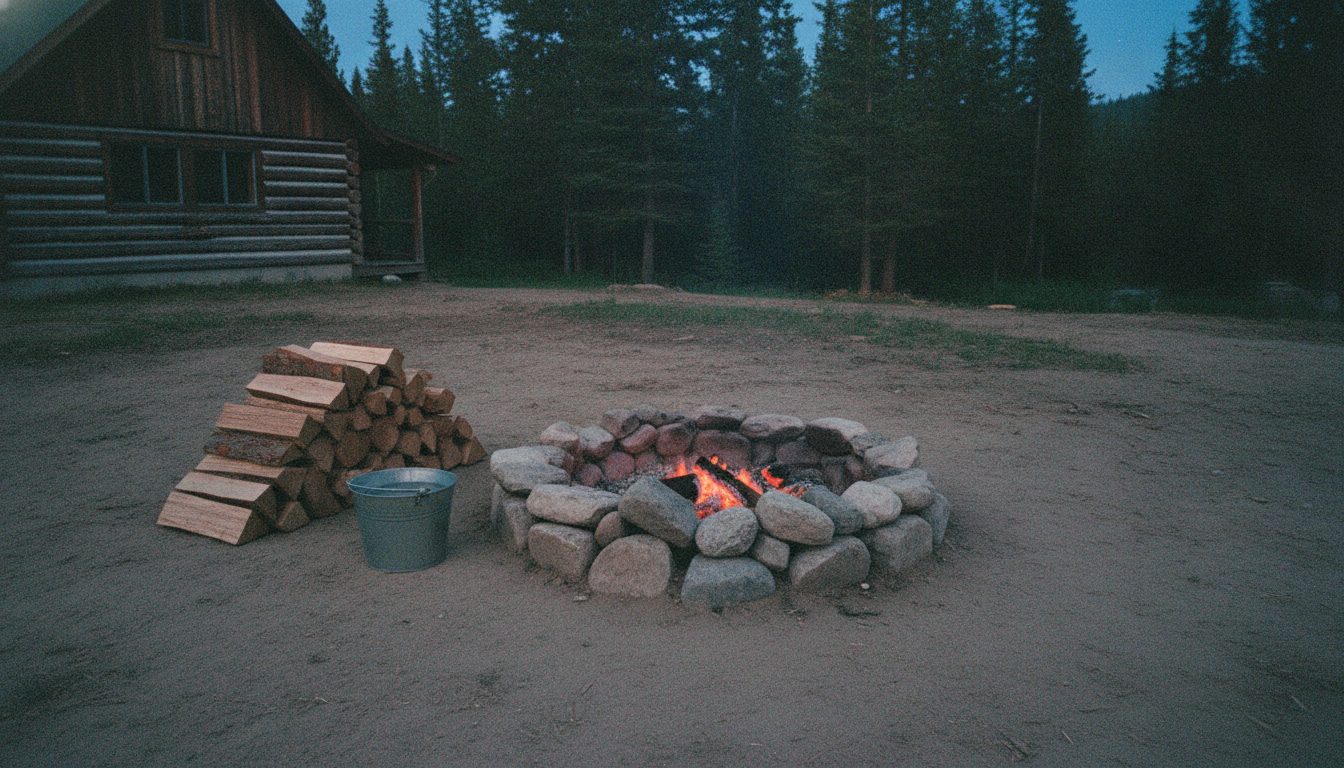
Outdoor Fire Rules to Tell Cabin Rental Guests
Give guests numbered outdoor fire rules: check the current burn ban, keep fires in the pit, drown the coals twice. Includes a ready to post list.
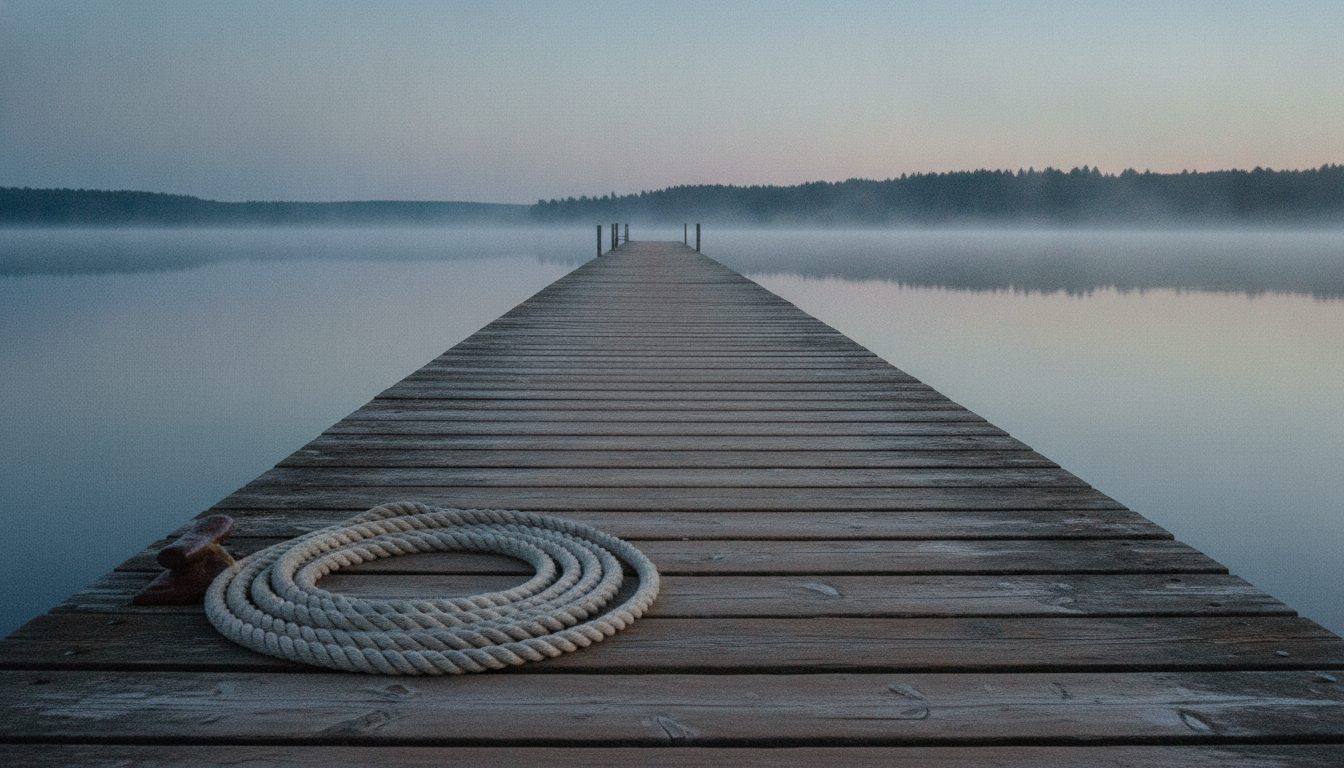
Life Jacket Rules to Explain to Lakefront Rental Guests
Life jacket rules for a lakefront rental: sizing by weight (infant 8-30 lbs, child 30-50), where jackets are stored, and which activities require one.
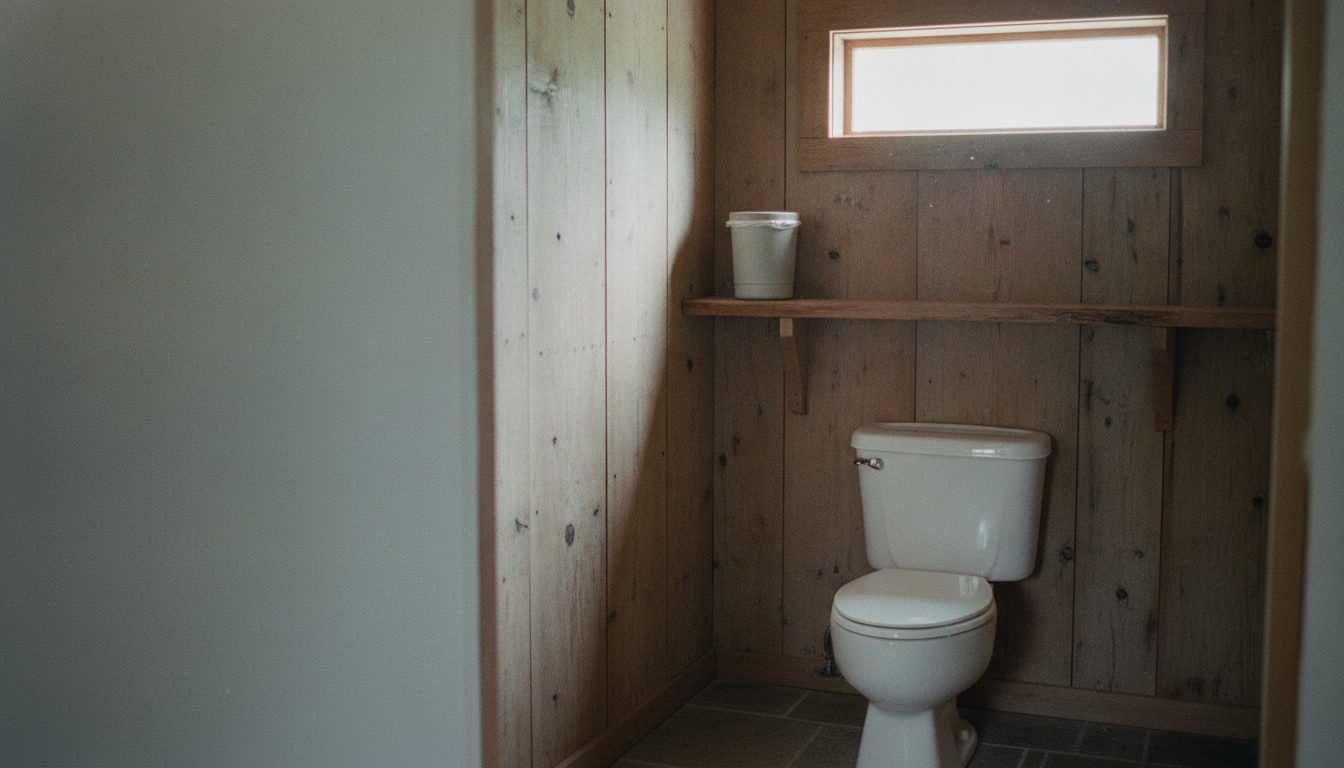
Signs a Septic Tank Needs Pumping Before Guests Arrive
Slow drains, gurgling, sewer odors, and soggy ground over the field are the main signs. Most tanks need pumping every 3 to 5 years; a pumper confirms.