How to Prevent Mildew in a Rental Bathroom
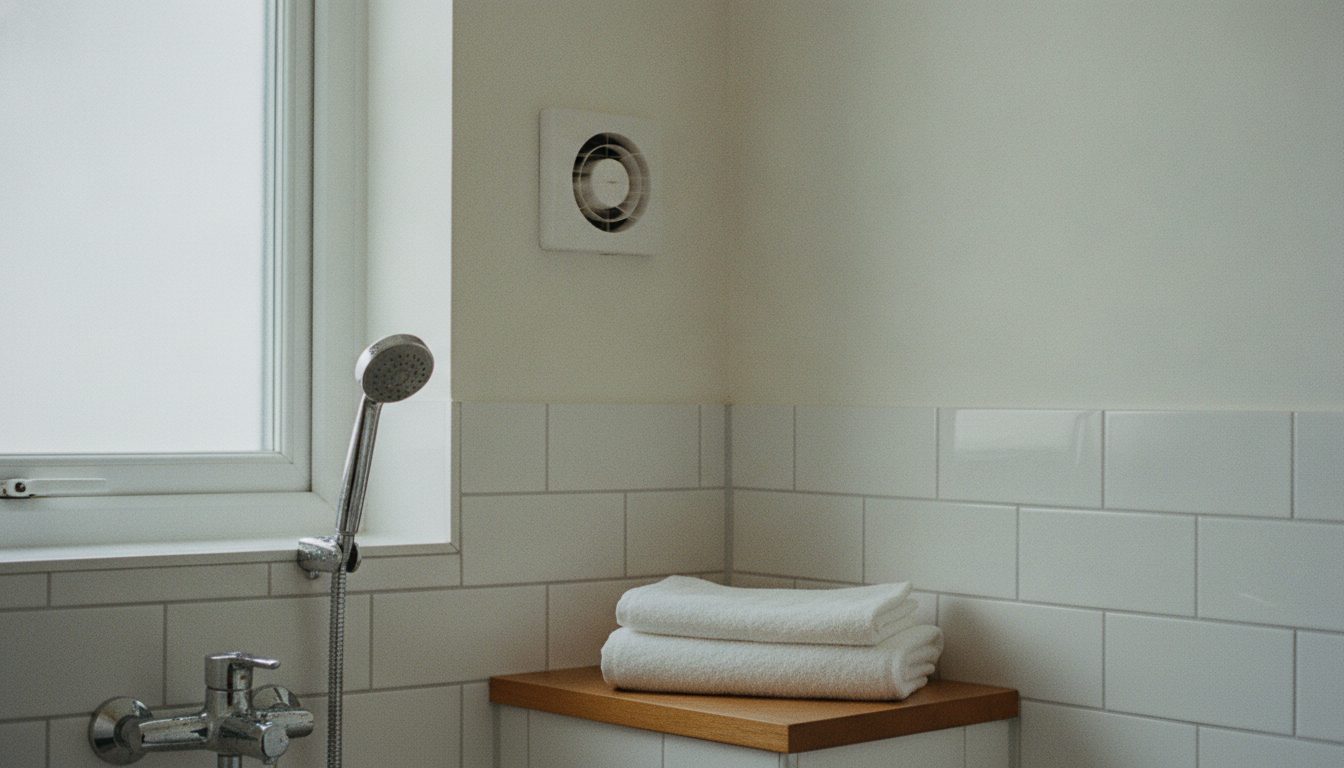
Preventing mildew in a vacation rental bathroom means controlling moisture and airflow, not scrubbing harder after it shows up. Run the fan longer, dry the grout between guests, and fix small caulk gaps before they turn into a spreading problem.
Why bathrooms are prone to mildew
A bathroom holds heat, steam, and standing water in a small space. Air movement is usually limited. Every shower a guest takes adds moisture to the grout, the caulk line, and any fabric left hanging nearby. Mildew needs three things to grow: moisture, warmth, and a surface to cling to. A rental bathroom offers all three multiple times a day.
Turnovers make this worse in one specific way. A property sitting empty between guests often gets closed up right after the last shower of a stay, doors shut and fans off. That trapped humidity has nowhere to go. It settles into the grout lines and the underside of the shower curtain while the property waits for the next cleaner.
Airflow and ventilation fixes
Run the bathroom exhaust fan for at least 20 minutes after every shower, in addition to running it during the shower itself. A timer switch handles this automatically if you do not want to rely on a guest remembering to flip it off. If the property has a window in the bathroom, cracking it during and after showers moves moist air out faster than a fan alone.
Check that the fan actually vents outside instead of dumping into the attic space above the ceiling. That routing is a common builder shortcut in older properties. It quietly feeds moisture into places you cannot see or clean. A contractor or handyman can confirm the duct routing during a maintenance visit if you are not sure where it leads.
Humidity control between stays
The empty days between guests are when mildew gains the most ground, because nobody is opening a door or running a fan. Give the bathroom a drying routine that works without anyone there.
- Have the cleaner leave the shower curtain or door open after the final wipe down, with the bath mat hung rather than folded.
- Put the exhaust fan on a timer or a humidity sensing switch, so it runs 20 to 30 minutes after any shower and can cycle on its own.
- In humid climates, run a small dehumidifier with a built in humidistat set near 50%. A drain hose routed to the tub means no tank to empty between visits.
- Keep a cheap hygrometer on the counter so you and the cleaner see the actual number instead of guessing.
The EPA's mold guidance recommends keeping indoor relative humidity below 60%, and ideally between 30% and 50%. That published band is the target worth writing into your cleaner's instructions. A bathroom sitting at 70% through four empty days grows what a busy week never would.
Grout and caulk maintenance
Grout is porous, and porous surfaces hold moisture longer than sealed ones. A grout sealer applied once or twice a year cuts down how much water the grout absorbs after each shower. This is a quick task for a handyman and worth adding to a seasonal list rather than trying to remember on your own.
Caulk around the tub and shower base fails before most hosts notice it. Look for cracking, gaps pulling away from the wall, or a grayish tint that will not scrub clean. Once caulk separates from the surface, water gets behind it. Mildew then grows somewhere you cannot reach with a sponge. Recaulking a shower base is a job most cleaners are not equipped to do. Flag it for a maintenance visit instead of asking a cleaner to work around it.
What cleaners should check every turn
A cleaner focused on visible surfaces can miss the early signs of a mildew problem. Add a few specific checks to the turnover routine. Look at the caulk line at the tub, the grout in the shower floor, the underside of a shower curtain or door track, and any bath mat left damp in a hamper. Catching a faint discoloration early means a spray cleaner handles it. Waiting a few turnovers means a deeper treatment or a professional visit.
A written checklist keeps this consistent across cleaners instead of depending on one person's habits. A turnover cleaning checklist that names these specific spots, rather than a general line about wiping the bathroom, is what actually gets the job done the same way every time. For the full room by room bathroom routine, see the vacation rental bathroom cleaning checklist.
Signs to catch early versus signs that need action now
| Sign | Urgency | Next step |
|---|---|---|
| Faint gray tint on grout | Low | Scrub with grout cleaner, note for next visit |
| Black spots spreading along caulk | Medium | Schedule recaulking soon |
| Musty smell with no visible spots | Medium | Check behind fixtures and under the vanity |
| Soft or bubbling drywall near the shower | High | Call a professional right away |
Towels and bath mats between guests
Wet towels and bath mats left in a hamper for days are a mildew source hosts often overlook. A cleaner who bags them straight into the wash within a couple hours of the turnover keeps that moisture from sitting in a closed laundry room. If the property uses a laundry service off site, a sealed bag rather than a loose pile slows the smell and the spread until pickup.
Shower curtains deserve the same attention as towels. A fabric liner holds water in its folds long after a plastic one would drip dry. Washing a fabric liner on a normal cycle every few turnovers, or swapping to a plastic liner in properties with heavy booking volume, removes one more surface mildew can take hold of.
When to replace instead of clean
Some materials pass the point where cleaning helps. Grout with mildew stains that persist after sealing and scrubbing usually needs to be regrouted rather than cleaned again. A shower curtain that has developed spotting despite regular washing is cheap enough to replace outright instead of fighting.
Drywall is the one to watch closest. A wall near the shower that feels soft, bubbles under paint, or smells musty after the surface looks clean points to moisture behind the wall. That is a job for a licensed contractor rather than a cleaner with a spray bottle. Left alone, it becomes a larger repair and a health concern for whoever stays in that room next.
Building mildew checks into a broader maintenance calendar keeps all of this from becoming a surprise. How to build a preventive maintenance schedule covers assigning seasonal tasks so they happen on a calendar. For this room, the schedule is short: grout sealing in spring, a fan and timer check in fall, and a humidity reading logged at every turnover.
How to Remove Stains From Rental Furniture
Removing stains from rental furniture starts with the fabric code and the stain type. Wine, grease, ink, urine, and vomit each get a first move here.

What Is Strip and Remake Cleaning for Rentals
Strip and remake is the practice of stripping every bed to the mattress each turnover and remaking it fresh, instead of tidying what looks used.

How to Schedule Vacation Rental Cleaners Around Bookings
Share checkout and check in times with your vacation rental cleaner the day a booking lands, confirm same day turns in writing, and plan for calendar sync lag.